
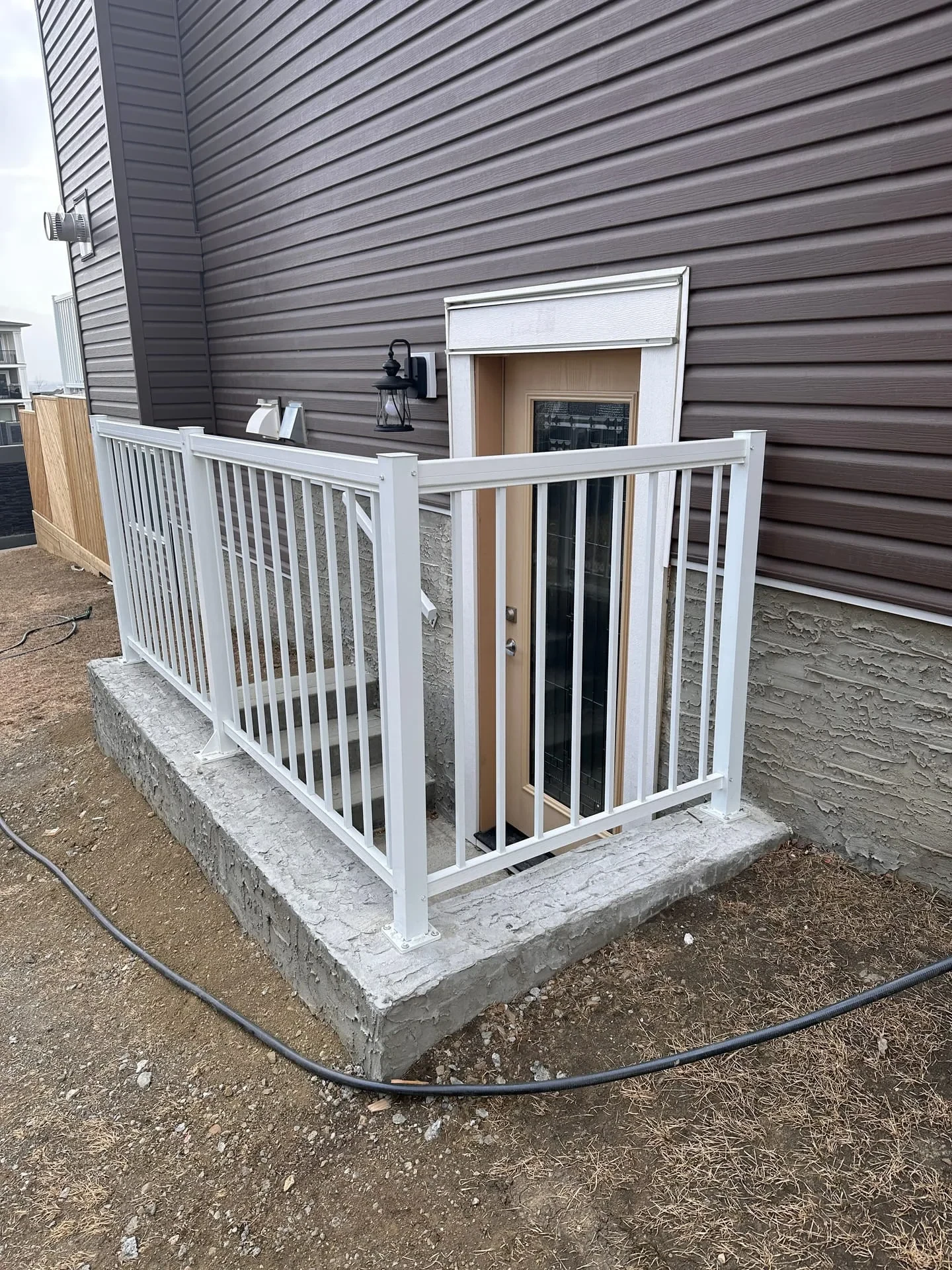
Calgary’s Secondary Suite Incentive Program (SSIP) is a City of Calgary rebate path for eligible legal secondary suites. The City’s current program page says new applications are waitlisted and that funding may not be available, so do not include the rebate in your project budget until the City confirms your intake status. This guide explains the eligibility and documentation steps to review when applications reopen.
Current status (September 2026): Check the City of Calgary SSIP page before paying for design, starting work, or relying on a rebate. OAF can help scope a permit-ready suite, but the City controls eligibility, intake, and payment.
What Is Calgary’s SSIP (Secondary Suite Incentive Program)?
SSIP is a City of Calgary program designed to support eligible safety work for secondary suites. The City lists up to $10,000 for eligible safety components, with intake, eligible work, receipt review, and payment controlled by the City. New applications are currently waitlisted and funding may not be available.
Here’s the critical distinction: it is a City-controlled incentive, not a guaranteed discount or financing source. Keep the project viable without it, and confirm the current application sequence, eligible costs, and documentation before starting work.
Eligibility Requirements to Verify When Intake Reopens
Before you apply, verify you meet all requirements:
- Property location and type: Confirm that the address and dwelling type fit the current City program rules.
- Owner and occupancy: Confirm any ownership, principal-residence, or landlord requirements listed by the City.
- Suite status: Review the current rules for a new or existing suite; do not assume an older or unpermitted suite is automatically eligible.
- Safety work: Confirm which safety components and receipts the City will consider for the specific application.
- Application timing: Ask the City what must be submitted or approved before work begins; new applications are currently waitlisted.
⚠️ The Timing Trap
The avoidable mistake is budgeting around a published maximum without confirming intake and sequence. Before demolition or safety work, read the current City instructions and confirm what the City will accept for your file.
Step-by-Step Application Process
Step 1: Verify zoning and feasibility
Before spending time and money on design, confirm your property allows a secondary suite:
- Visit the City of Calgary website and check your property’s current zoning and suite requirements
- Verify lot, parking, access, and property-specific constraints for your zone
- Confirm your home’s physical suitability (ceiling height, plumbing access, etc.)
Step 2: Define the drawings and scope
The City may require drawings or other documentation for the permit and incentive path. Confirm what is required for the address, and choose a designer or contractor who can document the relevant safety work.
Step 3: Check the live intake and waitlist
Visit the City of Calgary’s website and follow the current waitlist or application instructions. The City may request:
- Property address and legal description
- Proof of ownership and owner-occupancy
- drawings or scope information
- permit details and safety-component information
- ownership, address, and other supporting records
Confirm any fee directly with the City; do not rely on a generic fee estimate.
Step 4: Wait for the City’s direction
The City controls review order and any conditional approval or waitlist update. A waitlist position is not a funding guarantee. Keep permit, financing, and construction decisions separate until the City confirms the file.
Step 5: Obtain the required permits
Apply for the development, building, and trade permits required for the address. Review times depend on the application and City workload; use the City’s current permit guidance.
Step 6: Complete the approved work
Complete the work described in the approved scope and permit documents. Inspection stages depend on the project; examples may include:
- Framing inspection (fire separation, egress openings)
- Electrical rough-in inspection
- Plumbing rough-in inspection
- HVAC rough-in inspection
- Final inspection (all systems operational, safety compliance)
Step 7: Collect documentation
Once your suite passes final inspection and receives occupancy approval, gather:
- any City application or waitlist correspondence
- Building permit number and completion documentation
- All inspection sign-offs and final approval letter
- Original invoices and receipts for eligible costs (design, permits, construction)
- Proof of SSIP application submission date
Step 8: Submit records if the City requests them
Submit the records the City requests through the current program process. The City decides whether the file meets the program rules.
Step 9: Await the City’s decision and payment
Review timing and payment method are controlled by the City and can change. Do not promise or model a payment date.
SSIP timing
There is no reliable universal timeline from first enquiry to payment. Zoning and permit review, the current waitlist, construction scope, inspections, receipt review, and funding availability are controlled by different factors. Use the City’s live status and permit pages for current estimates, and keep a construction plan that works without an incentive payment.
5 Common SSIP Mistakes (and How to Avoid Them)
Mistake #1: Starting work without checking the current sequence
Do not assume that starting demolition, framing, or safety work preserves eligibility. Read the current City instructions and confirm what must be submitted, approved, or kept as proof for your file before work begins.
Mistake #2: Incomplete Documentation When Submitting the Rebate Claim
Missing invoices, unclear inspection paperwork, or incomplete cost documentation can delay a review. Keep a folder with every receipt, permit, and inspection sign-off throughout construction.
Mistake #3: Assuming Pre-Approval = Guarantee
Any City correspondence or conditional direction is not a substitute for completing the permit and safety requirements. Ensure the project team understands the approved scope and keeps the records the City requests.
Mistake #4: Not Separating Eligible vs. Ineligible Costs
The City identifies eligible components and documentation in its current rules. Keep project costs and work outside the approved suite scope clearly separated when invoicing.
Mistake #5: Treating a Published Rebate as Guaranteed Funding
SSIP intake and funding can be paused or waitlisted. Check the City page immediately before you rely on the rebate, and keep a project budget that works without it.
FAQ: SSIP Program
When should I check SSIP?
Check the live City page before paying for design or starting safety work. New applications are currently waitlisted, and the City explains the current application, permit, and receipt sequence.
What if my application is denied?
The City decides whether a file meets the current rules. Ask the City for the reason and any available next step; do not assume an appeal or modification is available.
Does SSIP cover design costs?
Only the current City rules and the approved file can answer that for a specific cost. Keep invoices and ask the City which components are eligible before relying on reimbursement.
What if I don’t pass an inspection?
Follow the City’s correction and inspection instructions. A contractor can coordinate the agreed work, but the City decides whether the file is complete and payable.
Can I use the SSIP rebate before final approval?
Do not treat the incentive as available cash before the City confirms the file. Review lender terms separately and keep the project viable without a future payment.
Is SSIP still available in 2026?
The City currently lists new SSIP applications as waitlisted and says funding may not be available. Check the official City program page for the current intake before planning around a rebate.
📨
Stay Ahead of the Curve
Join Calgary homeowners getting insider renovation tips, market updates, and exclusive cost data. Weekly. No fluff.
Get Weekly Insights
Welcome aboard! Check your inbox for a confirmation email.
Unsubscribe anytime. We respect your inbox.
Get Your Free Guide
Enter your details below and we’ll send the complete guide straight to your inbox.
What are you planning? (optional) Legal Suite Development Basement Development Garage Development Commercial Project Not Sure Yet
Send Me the Guide Sending…
We respect your privacy. Unsubscribe anytime. No spam, ever.
✓
Check Your Inbox!
Your guide is on its way. While you wait, explore more resources below.
Official references
Reviewed September 1, 2026. The City controls eligibility, intake, waitlist position, eligible components, receipts, review timing, and payment.
- City of Calgary: Secondary Suite Incentive Program
- City of Calgary: Adding a secondary suite
- City of Calgary: Legalize an existing secondary suite
- City of Calgary: Secondary-suite permit costs and timelines